
Understanding the psychological effects of gambling What drives our behavior at the casino
The Allure of Gambling: Understanding the Attraction
The psychological allure of gambling often stems from a combination of excitement and the potential for financial gain. The thrill of placing a bet and the anticipation of winning can trigger the release of dopamine, the brain’s feel-good chemical. This makes every spin of the slot machine or turn of the card feel like a possible gateway to euphoria, especially when considering the options available, including a real cash casino. Over time, this can create a powerful drive to return to the casino, as players seek to replicate that initial high.
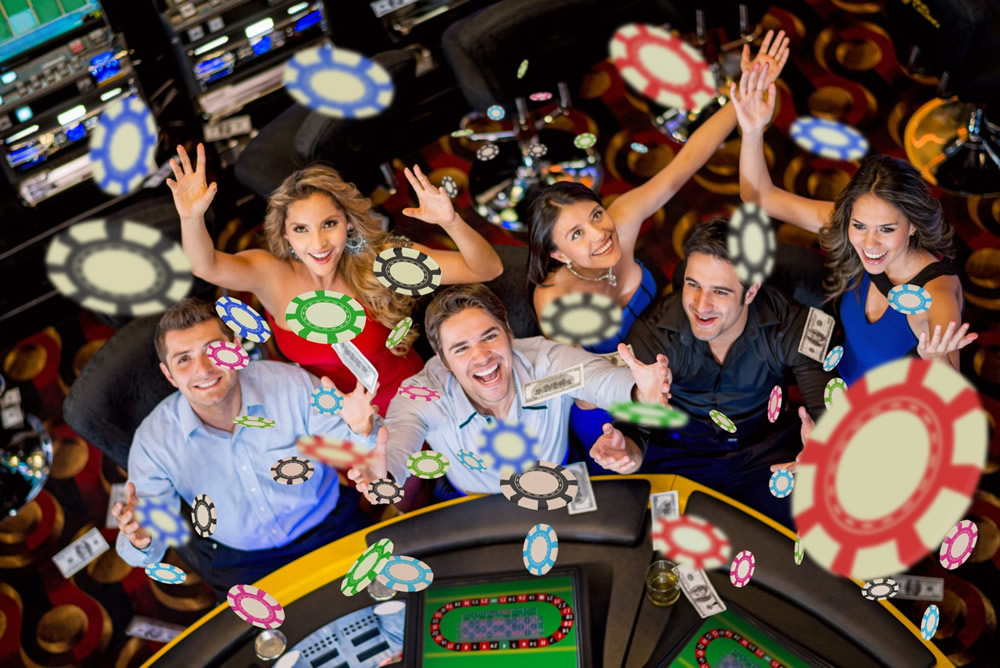
Moreover, the environment in casinos is meticulously designed to enhance this experience. The use of bright lights, sounds of celebration, and even the scent of certain foods can stimulate senses and foster a feeling of pleasure. These sensory elements combined can lead to a phenomenon known as the “gambling environment effect,” where the ambiance reinforces the desire to gamble.
The Role of Luck and Skill in Gambling
One of the key psychological factors influencing gambling behavior is the belief in luck versus skill. Many gamblers may see themselves as having skills that give them an edge, especially in games like poker. This belief can lead to a sense of control over outcomes, making individuals more likely to engage in risky behaviors. The idea that one can outsmart the odds can be very appealing and often blinds players to the randomness inherent in most gambling activities.
Conversely, games of pure chance, such as roulette and slot machines, emphasize luck and may lead to feelings of frustration or helplessness when losses occur. Understanding the balance between skill and luck can help individuals recognize their motivations and limit reckless gambling behavior. Awareness of these dynamics can also assist gamblers in making more informed choices about their play.
The Impact of Cognitive Biases on Gambling Decisions
Cognitive biases play a significant role in shaping gambling behavior. Common biases include the illusion of control, where gamblers believe they can influence outcomes in games of chance, and the gambler’s fallacy, the erroneous belief that past outcomes affect future results. These biases can lead to overconfidence and increased risk-taking, causing gamblers to chase losses or bet beyond their means.
Additionally, the concept of availability heuristic influences how gamblers assess risk. For instance, if a player frequently hears about big wins, they may overestimate their chances of winning, leading to repeated gambling attempts. Recognizing these biases can empower individuals to confront their decision-making processes and make more rational choices when gambling.
The Emotional Rollercoaster of Gambling
The emotional experience of gambling can be tumultuous. Players often navigate a spectrum of feelings from excitement and joy during wins to anxiety and despair during losses. This rollercoaster can lead to an addiction-like cycle, where the highs are chased and the lows are numbed. Understanding this emotional journey is essential for players to recognize when their gambling is becoming problematic.
Furthermore, social factors contribute to the emotional aspect of gambling. The camaraderie found in shared experiences at casinos can enhance feelings of belonging. However, this can also mask underlying issues, making it essential for individuals to evaluate their motivations and emotional state when engaging in gambling activities.

Adventure Gamers: A Community for Enthusiasts
Adventure Gamers fosters a vibrant community for fans of adventure gaming, offering resources, discussions, and insights into the genre. The platform provides a space for users to share their experiences, reviews, and tips, enhancing the gaming experience for all members. It aims to connect players with the latest news and trends in the adventure gaming world.
By engaging with a community of like-minded enthusiasts, members can explore the psychological aspects of gaming, including the thrill of adventure and the emotional stakes involved. Adventure Gamers serves as a hub for individuals to deepen their understanding of gaming and connect with others who share their passion.
