
Whoa! I wasn’t planning to switch wallets this year. But something felt off about the approval fatigue and gas surprises I kept seeing. At first it was curiosity—then annoyance—and finally a small relief when I found a tool that actually respects my time and attention. My instinct said: try it. So I did.
Short version: rabby reduces friction for everyday DeFi moves. Seriously? Yep. It cleans up approvals, offers clearer UX cues, and tries to keep you from signing things you didn’t mean to sign. There are caveats. But overall, it’s one of those rare upgrades that feels like a real quality-of-life improvement.
Okay, so check this out—I’ve used browser extension wallets since the early MetaMask days. I’m biased, sure. But I’ve also watched exploits and user mistakes pile up while interfaces stayed clunky. Initially I thought a new wallet would be just another skin. Actually, wait—let me rephrase that: I expected a fancy UI with the same old problems. Though, rabby surprised me by addressing a few core issues that matter a lot when you’re moving ETH, tokens, or interacting with contracts daily.
One quick anecdote: I was in a noisy NYC coffee shop, juggling a gas-heavy approval and a DEX swap. My finger almost confirmed an unlimited approval because the UI buried the detail. That part bugs me—so I went looking for something that makes approvals explicit and manageable. That’s how I landed on rabby.
What rabby does differently (and why it matters)
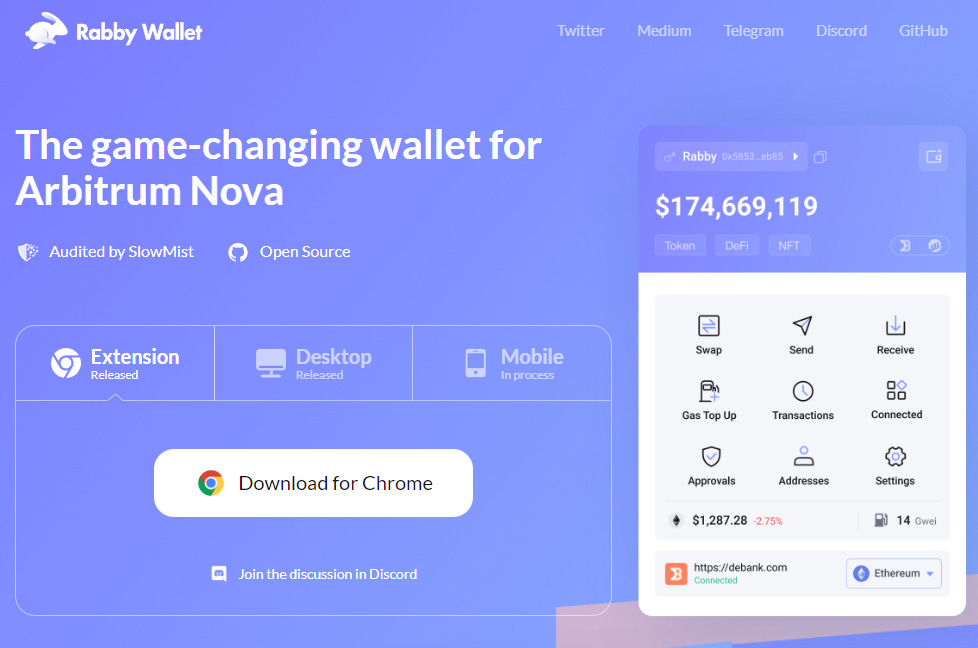
First, transaction clarity. Many wallets shove a long hex or an opaque contract name at you and expect blind trust. Rabby pulls things forward: it surfaces token approvals, shows who will be able to spend your tokens, and groups approvals so you can revoke easily later. My gut reaction when I saw that for the first time was relief. Hmm… finally.
Second, the approval management is proactive. You can set a default ask for approvals and there’s an option to auto-limit approvals to exact amounts rather than unlimited. On one hand, unlimited approvals are convenient. On the other hand, they’re a security risk for the unwary. On balance, rabby nudges you toward safer defaults without being an annoying nanny.
Third, it integrates well with DeFi flows. It supports multiple networks and plays nicely with the major DEXs and NFT sites I use. Initially I thought the network support would be spotty, but then I realized the team focused on the common rails and made them smooth—which is actually more useful than covering every obscure chain at launch. There’s nuance: for niche chains you might run into gaps, so don’t expect universal coverage yet.
From a UX standpoint, there’s a clean separation of action types. Swap confirmations, contract approvals, and contract calls are visually distinct. That reduces accidental approvals. It’s a subtle thing, but very very important when you’re scanning a screen in a hurry.
Security posture — practical, not theoretical
I’m not a security auditor (and I’m honest about that). But I know the typical attack surfaces for browser extension wallets: malicious dapps, user confusion on signatures, and compromised seed phrases. Rabby doesn’t claim to be magical. Instead it gives practical tools: clearer signature context, a permission center, and recommended best practices for seed storage. Those matter.
On the technical side, Rabby supports hardware wallets and connects to them smoothly. For people who keep large balances or do frequent trades, pairing with a Ledger or Trezor is a must. On the other hand, for small daily use I still prefer an extension wallet because of speed. So I use both: hardware for custody and rabby for active DeFi interactions. That combination has saved me from a few near-miss transactions.
Something else I liked—recovery and onboarding are straightforward, without sacrificing the nudges that prevent rookie mistakes. There are tradeoffs. Ease of use sometimes invites risk. But rabby feels like it’s trying to find the right middle ground.
How it fits into my DeFi workflow
I use a couple of tools daily: a portfolio tracker, a DEX aggregator, and a handful of lending protocols. Rabby’s quick-connect and approval manager speeds up swaps and lets me audit approvals the moment I see a strange allowance pop up. That saved me from a questionable smart contract once—no lie.
On the user experience side, there’s thoughtful detail: copy that’s readable, buttons that actually tell you what you are approving, and a transaction history that shows token flows clearly. It’s not perfect. Sometimes confirmations still feel slightly delayed or the gas estimation is off on busy days. But the tradeoffs are acceptable given the gains in clarity.
Look, I’m not cheerleading blindly. There are gaps in advanced features (deeper analytics, native multi-sig flows), and I’m not 100% sure how their roadmap will prioritize those. But for most DeFi users who want a safer, clearer browser wallet, rabby is a very good option.
Getting started — a practical checklist
Here’s a short list for trying it out without risking your whole stash:
- Create a fresh wallet or import a small-cap account first. Test with a tiny amount.
- Enable hardware wallet pairing for larger balances.
- Use the approval center to revoke unused allowances after trades.
- Set exact-amount approvals when possible (yes, they add clicks, but they help).
- Keep a separate account for interacting with new contracts—sandbox your risk.
If you want to check it out, start here: rabby. Try a small swap, then audit the approvals. See how it feels. Somethin’ about that immediate visibility is calming.
FAQ
Is rabby safer than MetaMask?
Not inherently “safer” at the protocol layer, but it reduces user risk by surfacing approvals and giving clearer UI signals. On one hand, the underlying wallet model is similar. Though actually, rabby shines by preventing common user mistakes more effectively.
Can I use rabby with hardware wallets?
Yes. It supports Ledger and other hardware devices, making it a good combo for users who want speed and extra custody security.
What are the downsides?
Some advanced features aren’t baked in yet and occasional gas estimates can be off on congested days. Also, niche chains may be less polished. But for mainstream DeFi on Ethereum and major L2s, it’s solid.
